If I Could Only Grow One Herb: Stinging Nettle
Every gardener, herbalist, and forager eventually develops favorite plants. Some are beautiful. Some produce abundant food. Some have a long history of medicinal use.
But what if you could only choose one?
Not the prettiest plant. Not the easiest plant. Not even your favorite plant.
One plant that would have to provide as much value as possible year after year.
For me, that plant would be stinging nettles.
Most people try to avoid the Nettles sting which often grows in neglected corners of fields, along woodland edges, and in disturbed ground where few people intentionally seek them out.
Yet beneath that painful sting is one of the most useful plants I know.
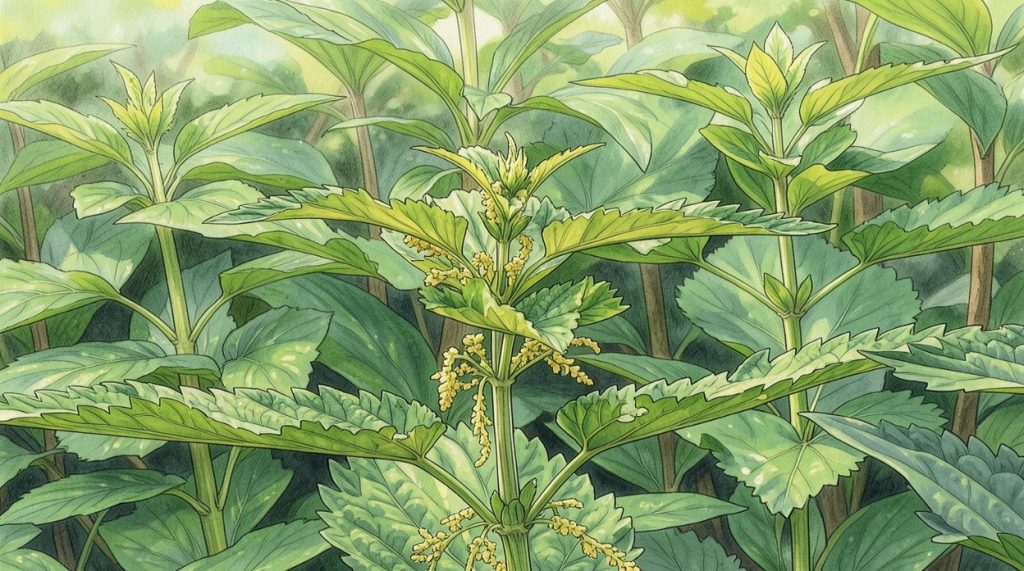
Stinging nettles (Urtica dioica) provide food, medicinal applications, fiber, and even benefits to the garden itself. Few plants offer so many practical uses from a single species.
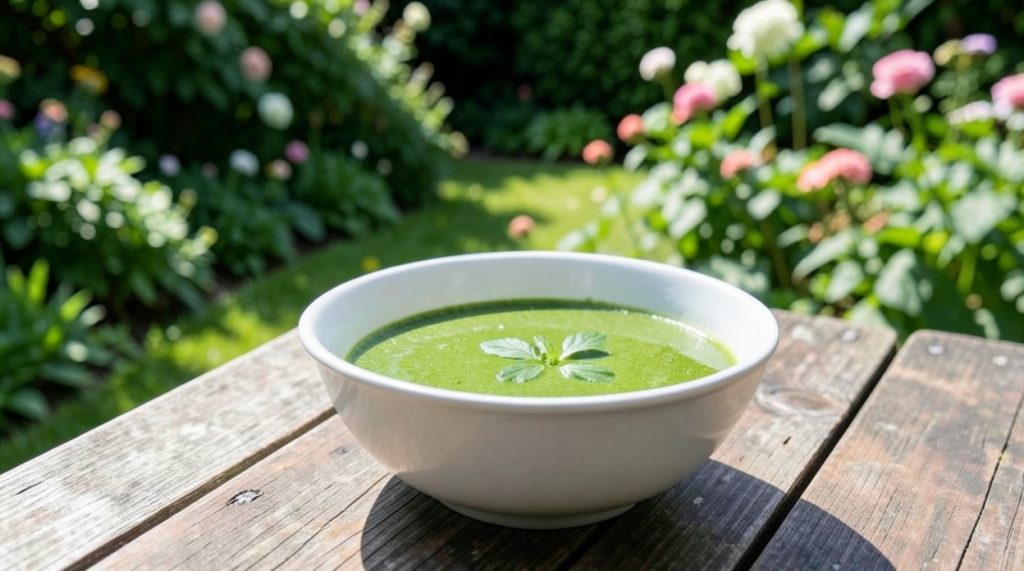
Stinging nettles (Urtica dioica) are packed with vitamins and minerals, including iron, calcium, magnesium, potassium, and vitamins A, C, and K. There are stories throughout history of nettles helping keep people alive during periods of famine when other food sources were limited. Nettle soup became known in some places as a survival food because the plant could be gathered and prepared into something nourishing when little else was available.Historical accounts from both Europe and North America, including periods such as the Irish potato famine and writings from frontier missionaries, describe nettles being used as a food source during times of hardship when other foods were scarce.
Nettles appear in European food traditions, particularly in older British and continental farmhouse cooking, as a seasonal wild green sometimes added to curds and soft cheeses after being wilted or cooked to remove their sting.
I learned first hand how it stings. Touching the small hairs that contain the acid that creates the stinging was a painful lesson. Once it’s steamed, boiled, or dried, the sting goes away, and while some heat-sensitive vitamins like vitamin C can be reduced, most minerals and other nutrients remain largely intact.
Nettles were used for more than just food. They also developed a long history of medicinal use.
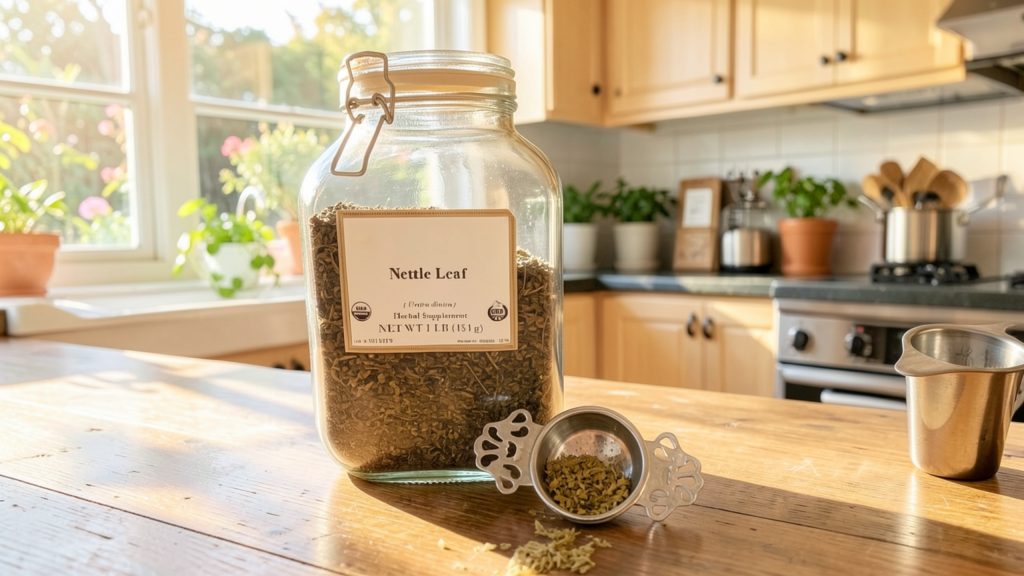
The leaf has commonly been used during allergy season because of its antihistamine properties. During the summer I will often make an iced tea with nettles and mint to have on hand for allergy season. I also will substitute nettle for parsley in a recipe or combine them for this reason as well.
The root and the leaf are used differently. The root is commonly associated with urinary and prostate support, particularly in men experiencing reduced urinary flow. In my own family, nettles in dried form were used after prostate-related colon cancer surgery as part of supporting urinary function during recovery.
Even the sting itself has been used in traditional folk medicine. In a practice known as urtication, fresh nettles were applied to areas of joint pain or stiffness to produce a stinging reaction, which was believed to help with symptoms such as discomfort and inflammation.
Beyond medicinal use, nettles also have a practical history as a fiber plant. The stems contain strong fibers that can be processed into rope, cordage, and cloth. During World War II, nettles were explored as a substitute textile fiber when traditional materials became scarce. While stories of full military uniforms made entirely from nettles are likely exaggerated, the fibers were studied and used in some textile applications because of their durability.
Nettles have also been used in small-scale natural dyeing, producing muted green and yellow tones, although they were more widely valued for their strong fibers than for color.
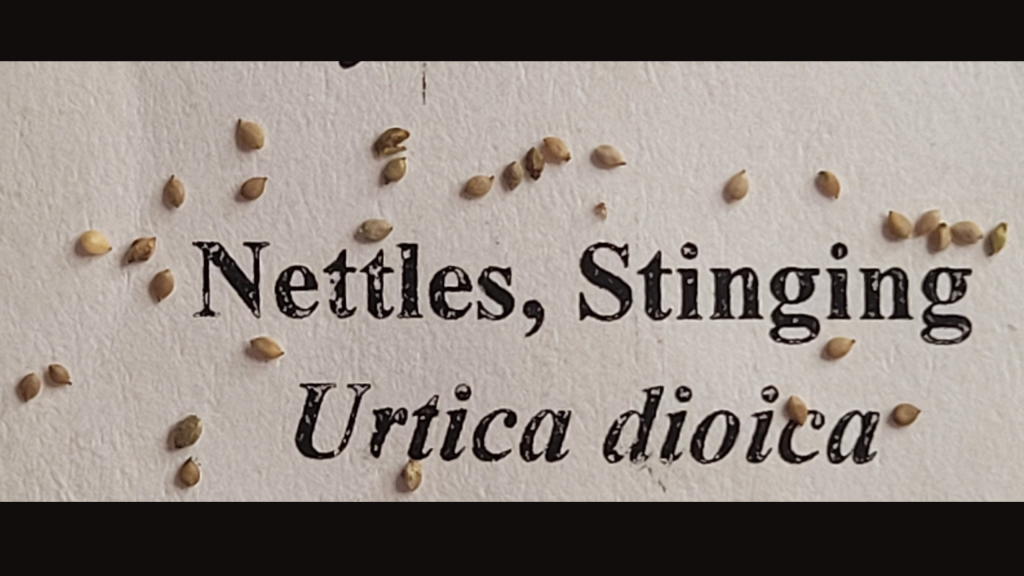
Nettles can be grown from seed, although germination can be slow. The seeds are very small and need light to sprout, so they are pressed onto the surface of the soil rather than buried. Germination can take a couple of weeks or longer, and seedlings may appear at different times. Once established, nettles can regrow after harvesting, making them a recurring source of edible leaves from the same plant rather than a one-time crop. Nettles are also less heavily browsed by grazing animals than many other wild greens once mature, which reduces food competition and increases the likelihood that a usable, harvestable patch will remain intact over time. In a survival situation, this means less loss of growth to animals and more consistent access to edible leaves.
Once established, nettles can regrow after harvesting, making them a recurring source of edible leaves from the same plant rather than a one-time crop. They also spread through underground rhizomes, allowing a small patch to gradually expand over time. They prefer moist, nutrient-rich soil and often grow well in partial shade, but they are adaptable once they take hold. After that point, they spread easily and require very little attention to continue growing.They also emerge early in the growing season, which makes them useful during times when other wild greens are not yet available.
In a survival context, this matters. The early stage takes time, but once established, nettles become a steady, returning source of edible leaves. They are not a fast-start plant, but they are a reliable one once rooted in.
Nettles also return nutrients back to the soil when they break down, and can be used as a simple compost material or liquid compost tea that feeds plants, helping support continued growth in the same ground over time.
The sting makes harvesting unpleasant without gloves, and most people who touch them accidentally remember the experience immediately. The irritation is caused by tiny hairs on the plant that release compounds when they break the skin. The sensation can usually be reduced by washing the area and avoiding rubbing it further, which can push more of the irritants deeper into the skin.
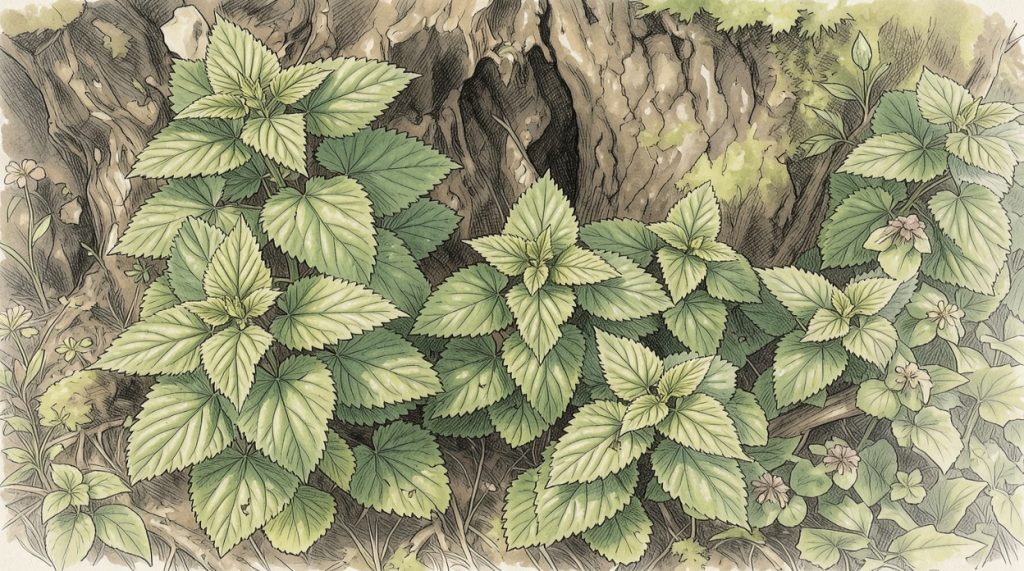
Nettles are not decorative plants and often grow on the edges of fields and disturbed ground, where they are usually avoided rather than sought out.
They are functional plants. Food, fiber, medicinal application, and survival value all exist in the same plant. That is what makes them so valuable.
If you have never worked with nettles before, try one new thing this year. Make a cup of nettle tea, add nettles to a soup, or learn to identify them in the wild. A single plant can teach us a surprising amount about food, medicine, and self-reliance.