
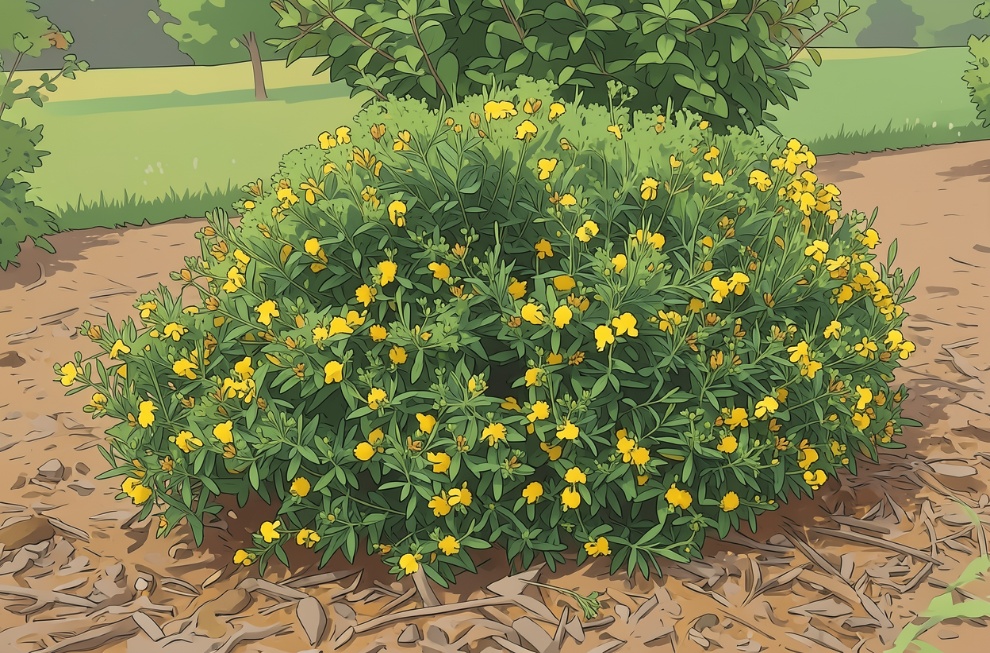
Long before modern research examined the compounds found in St. John’s wort (Hypericum perforatum), this small yellow flower held an important place in European herbal traditions. Blooming around midsummer, the plant became connected with June 24th traditions, when people gathered the herb and incorporated it into folk practices and herbal preparations.
The flowering tops, which are the top portion of the plant, were the part most commonly gathered and used. They were prepared in teas, tinctures, and infused oils. One of the best-known preparations is St. John’s wort oil. Made by infusing the flowering tops in oil until it develops its deep red color, this preparation has a long history in herbal medicine and continues to be used today for skin care and minor injuries.
When I was first introduced to St. John’s wort, its antidepressant properties were the aspect most often discussed. I also heard stories about cows eating the plant in fields and developing sensitivity to sunlight, which led to learning more about the herb and its different uses. Over time, I discovered the deep red oil made from the flowers and eventually experienced its traditional uses firsthand.
My first experience with St. John’s wort was after suffering second-degree burns. The herb helped the burns heal faster. Years later, I experienced another use of this plant when I developed a painful wound related to venous insufficiency. St. John’s wort oil helped ease the nerve pain significantly.
St. John’s wort also developed a reputation as a nervous system herb. It has been used for nerve-related complaints and emotional well-being, including periods of sadness and low mood. These traditional uses helped guide modern research into the plant’s antidepressant effects, leading to extensive studies on compounds such as hypericin and hyperforin.
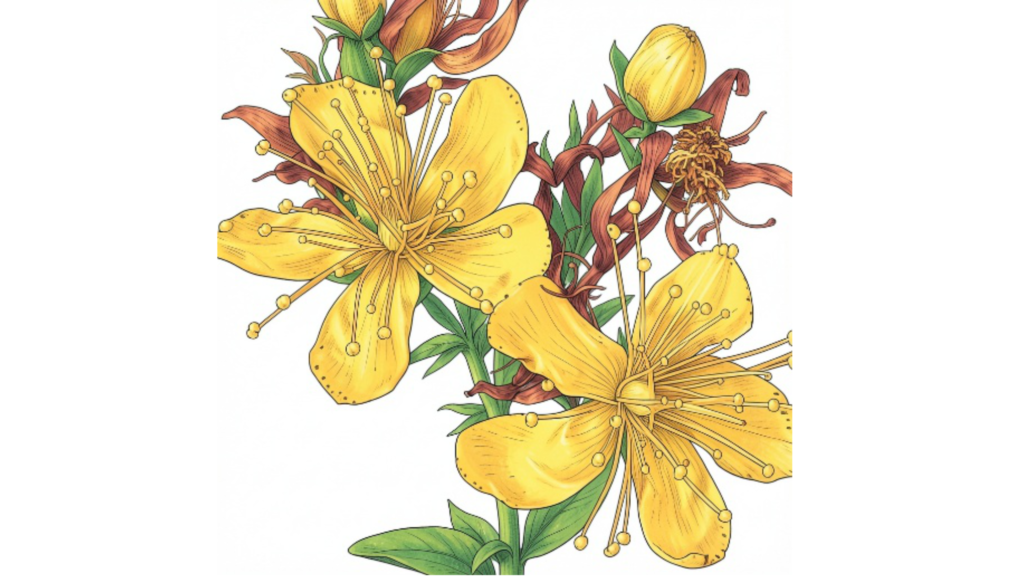
The plant’s connection with midsummer is also part of its long history. In medieval Europe, people gathered St. John’s wort around the time it bloomed and incorporated it into seasonal customs. Some traditions placed the herb near doors, windows, or in homes as a protective plant. Others associated it with dreams, luck, and the unseen forces often connected with midsummer folklore.
The deep red color of St. John’s wort oil also inspired stories and beliefs. The unusual color, created by natural compounds in the flowers, helped strengthen the plant’s reputation as a special herb with both practical and symbolic meaning.
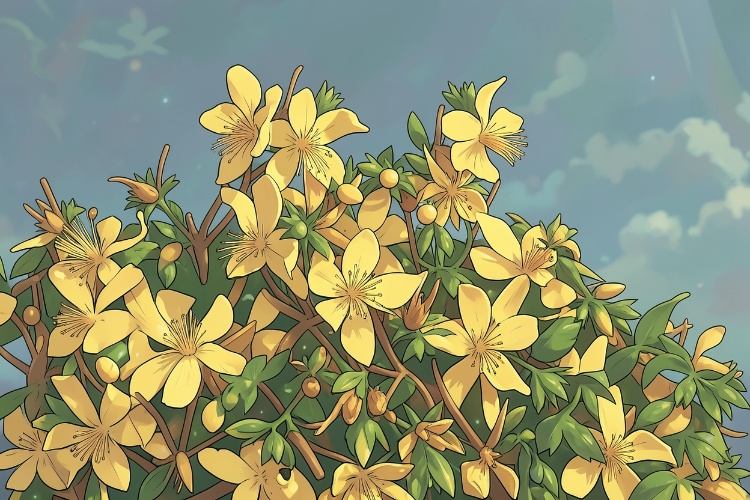
Today, researchers study compounds such as hypericin, hyperforin, and flavonoids to better understand St. John’s wort’s effects on mood, inflammation, and the nervous system. Modern research has shown potential benefits for mild to moderate depression while also revealing important safety concerns, including interactions with many medications.
St. John’s wort remains a fascinating example of how medicinal plants have been understood through many generations. It is a herb shaped by observation, tradition, folklore, personal experience, and science, a small yellow flower with a history much larger than its size.