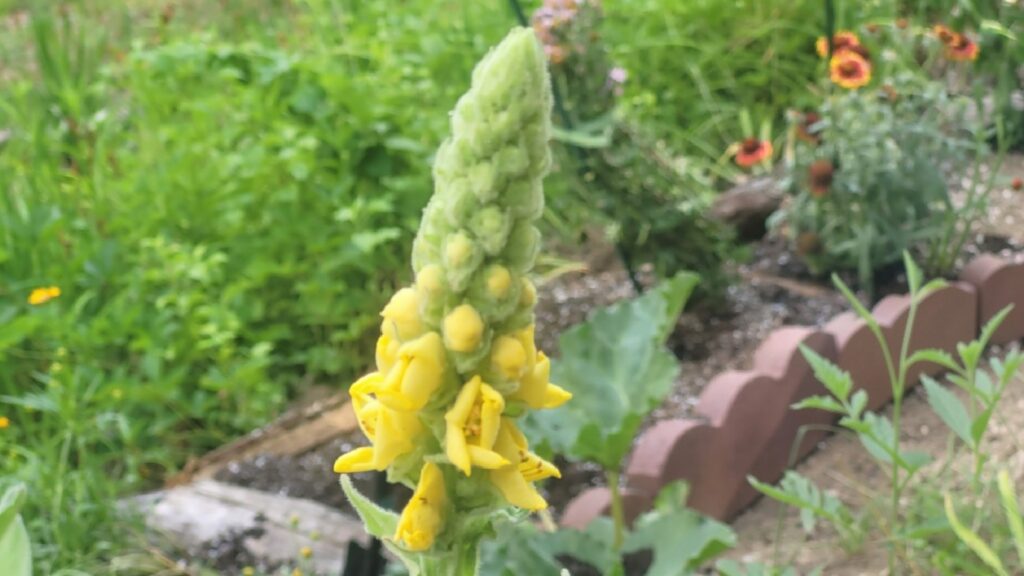
Driving down the road at the beginning of July in New England and scrolling through social media, I’ve been seeing a lot of mullein lately. Once you learn to recognize it, it seems to be everywhere.
When I first started my herbal journey, I learned about mullein, the large fuzzy leafed yellow flowering stick. Seeing it on the side of the road, I wanted to go dig it up and bring it to my garden. Little did I know at the time that it would bring itself. Mullein is a biennial and spreads with the wind. I first investigated how it’s used for the lungs. Then I learned of its value in ear infections. It has many names like candlestick plant and mullein dock.
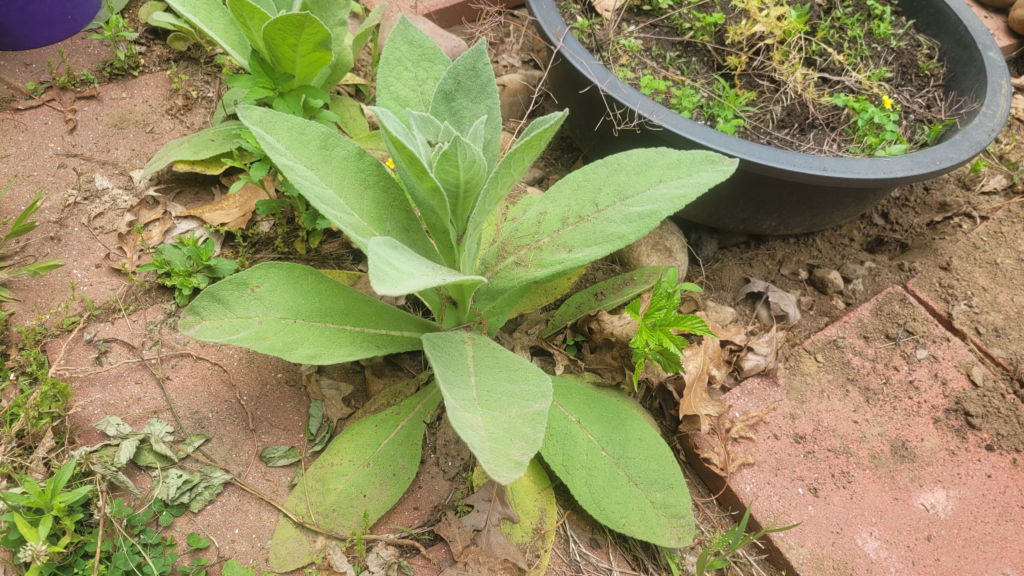
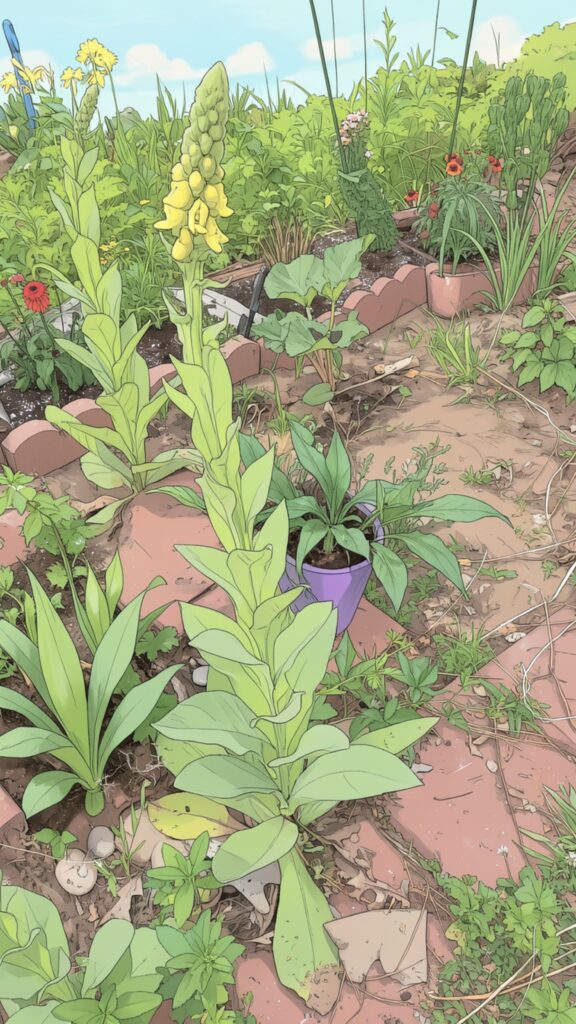
Mullein (Verbascum thapsus) is one of the most recognizable herbs growing throughout North America. During its first year, it forms a low rosette of large, soft, woolly leaves. In its second year, it sends up a tall flowering stalk that can reach six feet or more, crowned with bright yellow flowers that bloom throughout the summer.
Although many people view it as a roadside weed, mullein has a long history of medicinal use stretching back centuries. Herbal traditions from Europe, Asia, and North America have valued the plant for a variety of purposes, particularly those involving the respiratory system.
Mullein is perhaps best known as a lung herb. Traditionally, the leaves and flowers have been used to support respiratory health and soothe irritated airways. The plant contains mucilage, a slippery substance that can help coat tissues, which is one reason it has been used in herbal preparations intended for coughs and respiratory discomfort. Mullein has also been traditionally used to support the body’s natural clearing of excess mucus.
One of the most common ways to use mullein is as a tea made from dried leaves. Because the leaves are covered with fine hairs, the tea is typically strained carefully through a fine cloth or coffee filter before drinking.
Beyond its reputation as a lung herb, mullein is also well known for its traditional use in ear oils. The flowers are often infused into olive oil and are commonly combined with garlic in traditional herbal preparations. Mullein flower oil has been used for generations as part of folk herbal practices related to ear discomfort.
Historically, mullein was useful for more than medicine. The dried flower stalks were once dipped in tallow and used as torches, giving rise to the common name “candlestick plant.” Other traditional names include Aaron’s rod, velvet plant, shepherd’s staff, and mullein dock.
One lesser known historical use of mullein involved fishing. Crushed mullein seeds contain saponins and were traditionally used to stupefy fish in small bodies of water, making them easier to catch. This practice has been documented in several cultures but is generally illegal today due to its impact on aquatic life.
Mullein and the Ecosystem
Mullein is not only a plant valued by humans. Its tall flower stalk and long blooming period also make it part of the landscape that supports insects and other wildlife.
The yellow flowers provide a source of nectar and pollen for a variety of insects throughout the summer. Because the flowers open gradually along the stalk, the plant can continue blooming over an extended period rather than all at once.
The tall stalk also creates structure in open areas where few other plants grow. After flowering, the dried stalk remains standing, providing a natural feature in the landscape and contributing seeds that allow future generations of mullein to grow.
Like many wild plants, mullein plays a role beyond its traditional uses. It is part of the larger relationship between plants, insects, soil, and the environments where they grow.
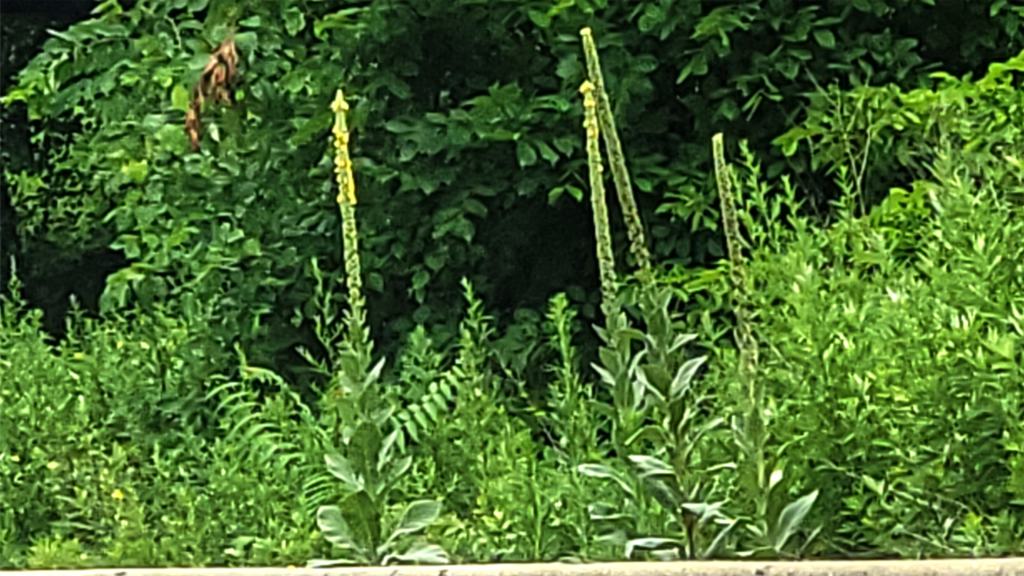
Mullein thrives in poor soil, disturbed ground, roadsides, fields, and sunny open areas. A single plant can produce thousands of seeds, allowing it to spread readily and establish itself in places where many other plants struggle to grow.
Among some herbalists and folk traditions, there is a belief that certain plants appear where they are needed most. Mullein is often included in these discussions because it seems to appear almost everywhere once a person learns to recognize it. Whether viewed as a spiritual belief or simply a result of the plant’s remarkable ability to colonize disturbed ground, mullein has earned a reputation for showing up when people begin paying attention to it.
Why Some People Remove Mullein and Others Protect It
Mullein is a perfect example of how the way we see a plant depends on our perspective.
To some people, mullein is simply a weed growing along roadsides, fields, and disturbed areas. Because it spreads easily and produces thousands of seeds, some land managers remove it when it appears in areas where it is not wanted.
To others, mullein is a valuable wild herb with a long history of traditional use. Herbalists appreciate its connection to respiratory remedies, its distinctive appearance, and the role it plays in the landscape.
The difference often comes down to how we define a plant’s value. A plant growing in the wrong place may be considered unwanted, while that same plant growing in a garden, herb patch, or natural area may be welcomed.
Mullein reminds us that many plants labeled as weeds have stories that go far beyond their reputation. Before it was a plant growing beside roads and in empty fields, it was a plant that people observed, named, used, and passed knowledge about from one generation to the next.
The leaves are commonly harvested during the first year of growth when they are large and tender. The flowers are gathered individually as they open throughout the summer and are often dried or infused into oil. Herbal preparations made from mullein include teas, tinctures, infused oils, and other traditional remedies.
Like all herbs, mullein should be used with appropriate caution. Although it is generally well tolerated, allergic reactions can occur in some individuals. My mother experienced an allergic reaction to mullein, a reminder that even herbs with long histories of traditional use are not suitable for everyone. The fine hairs on the leaves may irritate the throat if teas are not properly strained. Anyone using mullein for the first time should start with a small amount to assess individual tolerance. Those with known sensitivities to the plant should avoid its use. As with any herbal remedy, discontinue use if an adverse reaction occurs and consult a healthcare professional if symptoms are severe.
What first caught my attention was a tall yellow flower stalk growing along the roadside. What kept my attention was learning how much history and traditional use was connected to a plant that many people pass by without a second glance. Whether valued for respiratory support, ear oil preparations, or simply admired for its resilience, mullein remains one of the most recognizable and widely used herbs in traditional herbalism.