
Can a mushroom actually support brain function?
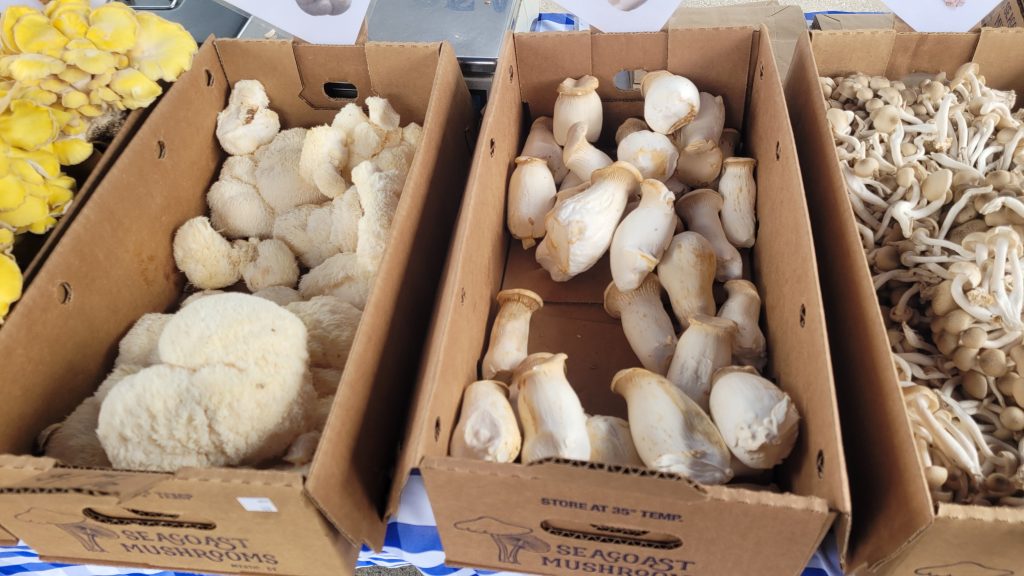
The farmers market was full as we walked down the rows of tents, customers moving steadily from one table to the next. Somewhere between fresh produce and baked bread was the mushroom vendor, a constant presence every Saturday.
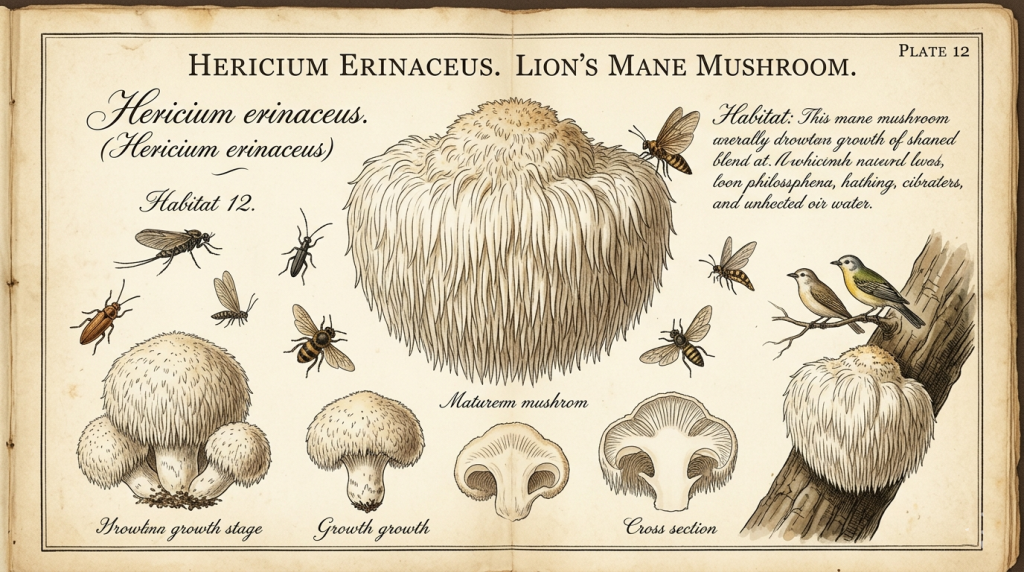
Their table held a range of cultivated fungi, both culinary and medicinal, but one stood out immediately. The white, fluffy structure of Lion’s Mane mushroom looked almost artificial, more like coral or cloud than food.
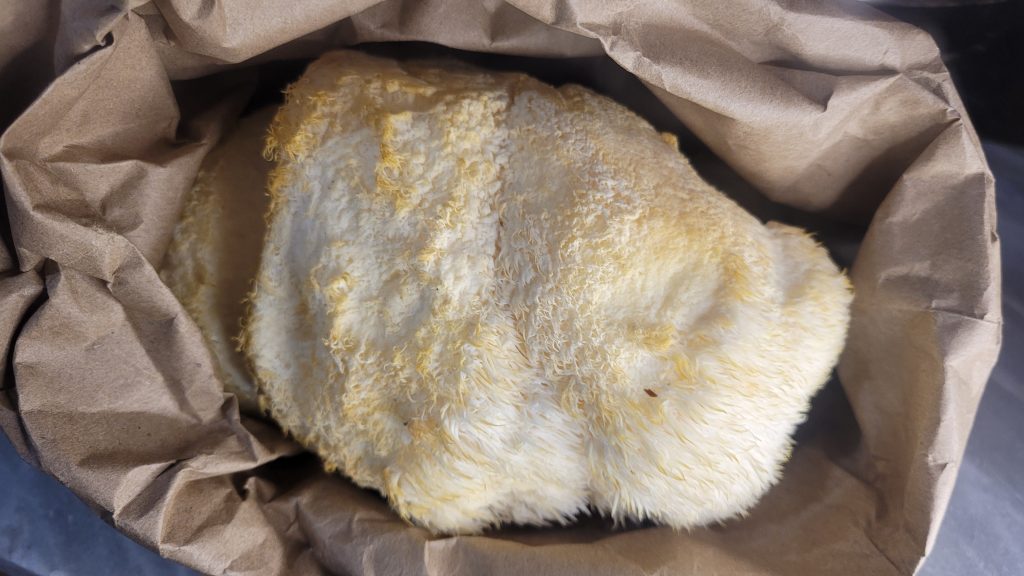
It’s often labeled a “brain mushroom,” a natural nootropic, something that supports memory and focus. But that claim isn’t really about appearance or marketing, it comes down to chemistry, and what actually happens inside the body after it’s consumed.
Lion’s Mane mushroom contains compounds that are alcohol soluble compounds called hericenones and erinacines that have been shown in laboratory and animal studies to stimulate nerve growth factor activity, suggesting a role in supporting nerve cell growth and maintenance. In small human clinical studies, it has been associated with modest improvements in cognitive function in older adults with mild cognitive impairment and with some reductions in mild anxiety or depressive symptoms.
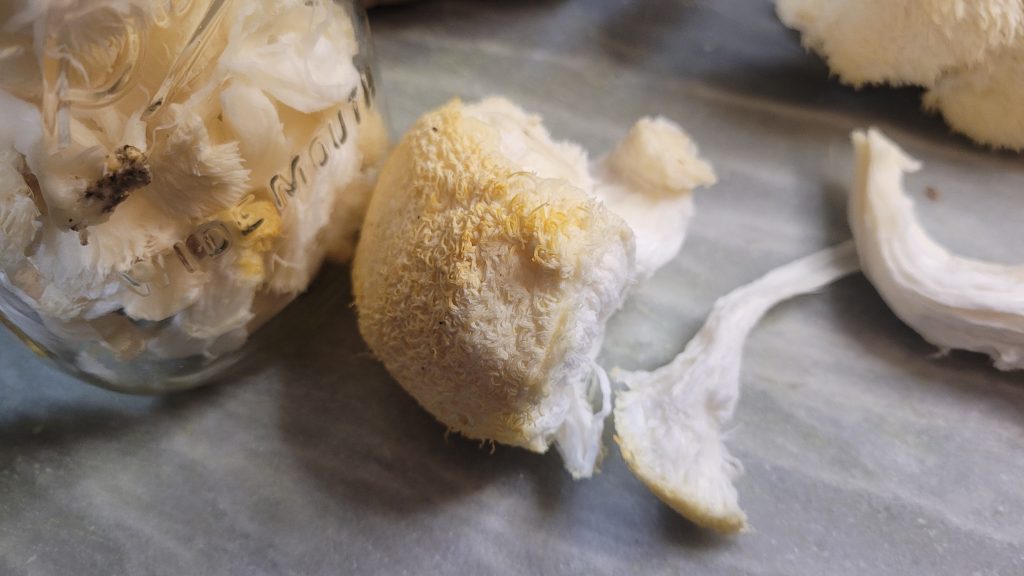
For immune function, the mushroom contains water soluble beta-glucans and other polysaccharides. These compounds help regulate immune activity, supporting how immune cells respond and how inflammation is managed in the body. The effect is not a stimulation of immunity, but a balancing of it. Research shows that the beta-glucans in Lion’s Mane mushroom interact with immune cells, influencing how the body responds rather than simply increasing immune activity.
These two groups of compounds require different extraction methods because they do not dissolve under the same conditions.
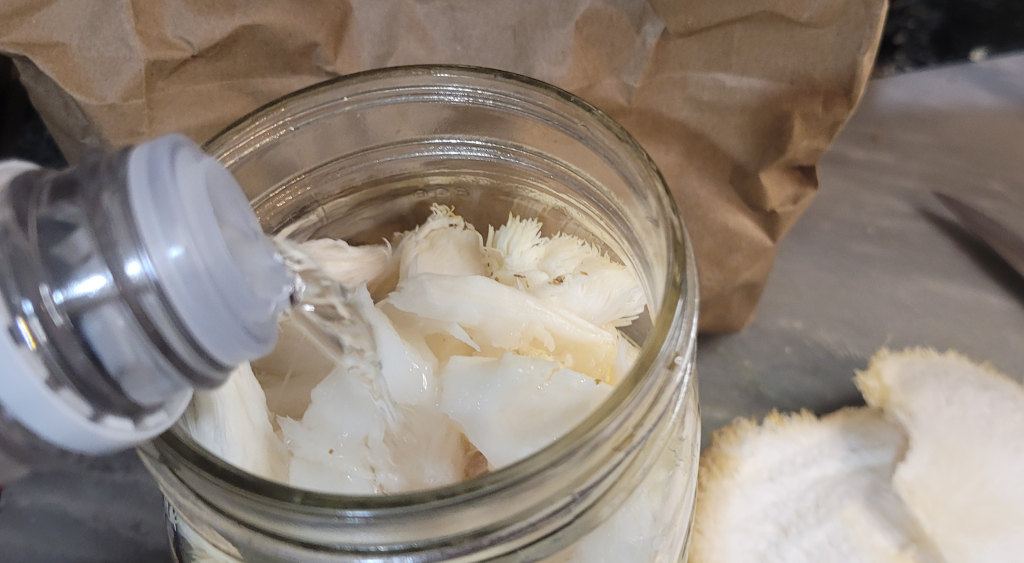
A double extraction tincture is designed to access all the vital chemicals that are stored in the mushroom. The process begins with the alcohol extraction. I place the lion’s mane in a bottle with enough white rum to cover it. Then I let time do its job, slowly drawing out the compounds that are only alcohol soluble. This takes weeks.
After that, I strain off the alcohol and set it aside. The remaining mushrooms go into the water extraction phase. I add water and simmer it down until it is about half its original volume, allowing the water-soluble compounds to be released.
Once it cools, I combine the mushroom infused water with the reserved alcohol extract. What’s left is a shelf stable double extract, both parts of the mushroom, captured in different ways, brought back together.
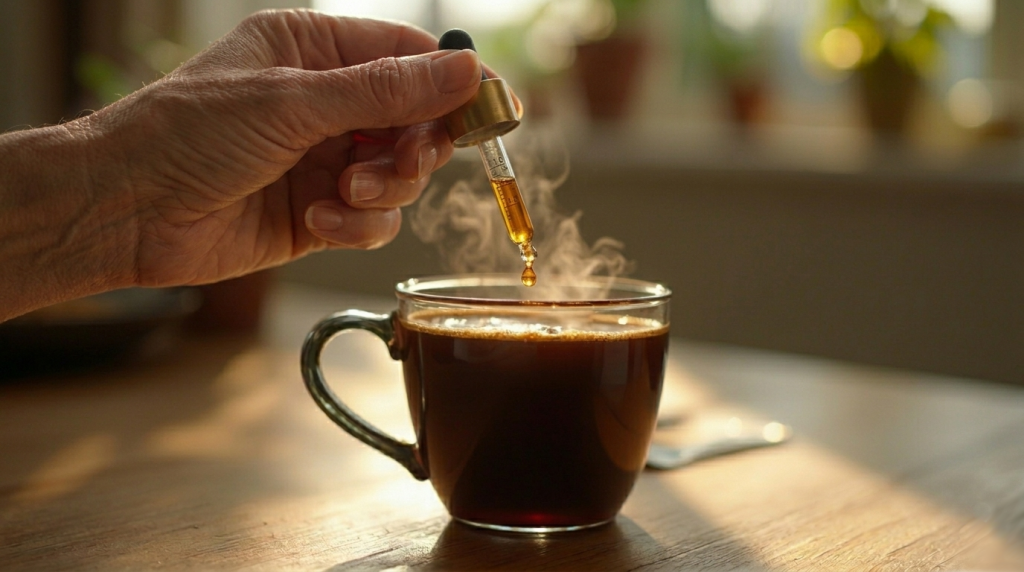
A typical serving is one to two dropperfuls, roughly one to two milliliters. This can be added to coffee, stirred into food, or taken directly. Once it’s properly extracted, heat and food don’t meaningfully change it. Adding it to coffee or mixing it into food won’t destroy the active compounds or block their effects.
Like any biologically active food or supplement, Lion’s Mane is not without potential reactions. Some individuals may experience mild digestive discomfort or skin sensitivity, and those with mushroom allergies should avoid it or seek medical guidance. Reported effects are generally uncommon and tend to resolve when use is stopped, but individual response can vary.
The effects associated with Lion’s Mane mushroom are not immediate. Immune related responses may begin within days to a couple of weeks, while brain related effects typically take several weeks of consistent use, often around three to eight weeks depending on the individual and the preparation.
A practical way to gauge if the brain function is effective is to note your normal level of clarity, focus, and mental fatigue before starting. After several weeks of consistent use, you compare again. Any effect, if present, would show up as small shifts, slightly less brain fog, slightly better recall, or slightly improved mental endurance.
For immune function, a practical way to gauge any effect is to note your normal baseline over time, how often you typically experience minor illness, how long recovery usually takes, and your general sense of resilience. After several weeks to months of consistent use, you compare again. Any effect, if present, would not be directly felt day to day, but may show up as small shifts in patterns, slightly fewer minor infections, slightly faster recovery, or a more stable baseline through seasonal changes.
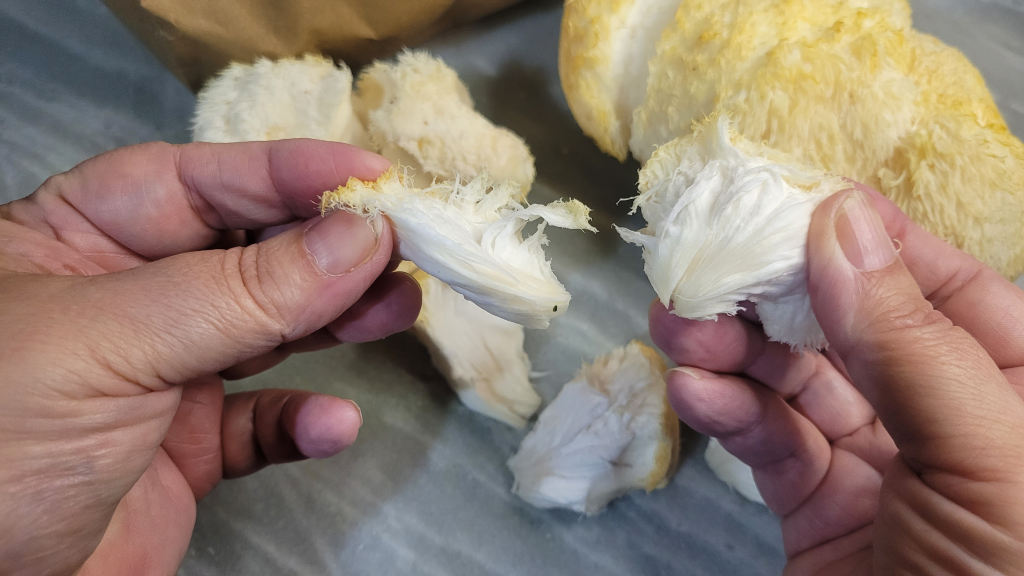
But Lion’s Mane isn’t just used in tinctures. It’s also a cooking mushroom. It fries up in a pan, holds its texture, and is even used in things like “Mock crab cakes” because of the way it pulls apart and cooks. Back at the farmers market, that’s what it really is first, a food sitting on a table, not a concept, not a supplement label, just something you can take home and cook.
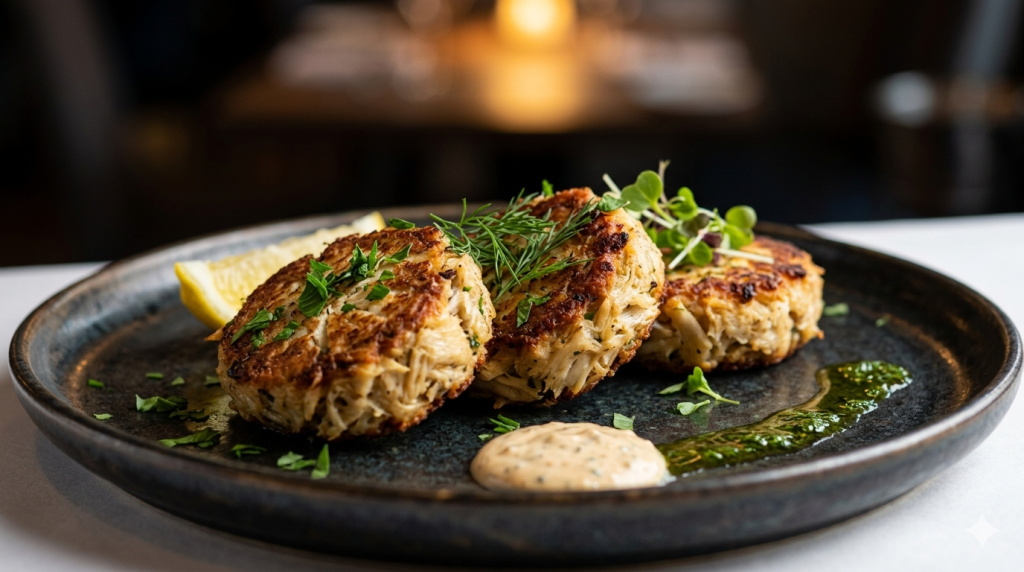
And in that form, it still offers something. When eaten as food, Lion’s Mane mushroom provides natural compounds like beta-glucans and other polysaccharides that support immune function and overall nutritional balance. It does not have the same benefits as an extract, and it doesn’t concentrate the more brain targeted compounds used in tinctures, but it still contributes through regular food-based pathways, the way mushrooms have always been part of the diet.