The Rose by My Car Door: What Rose Hips, Roses, and Apples Have in Common
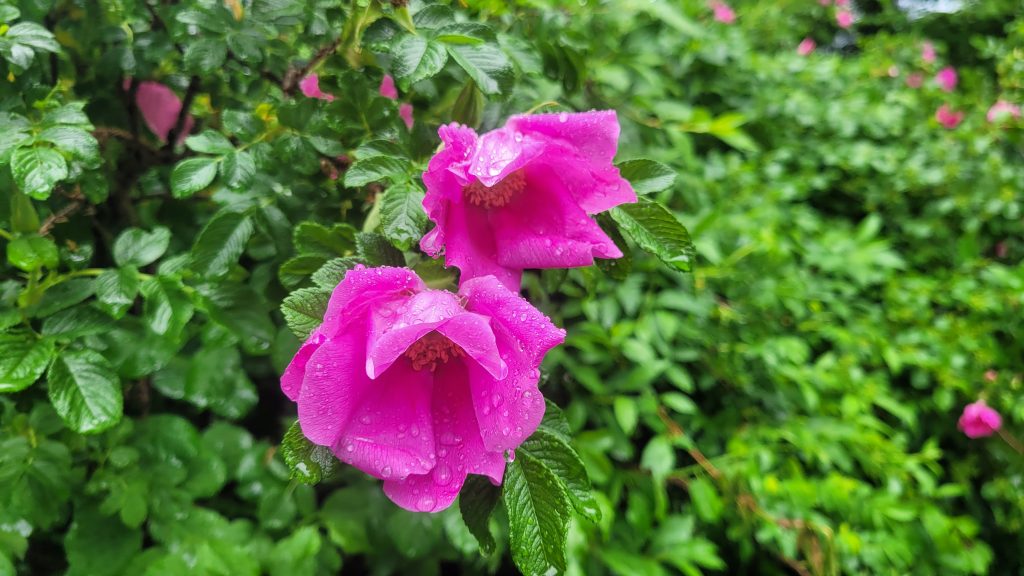
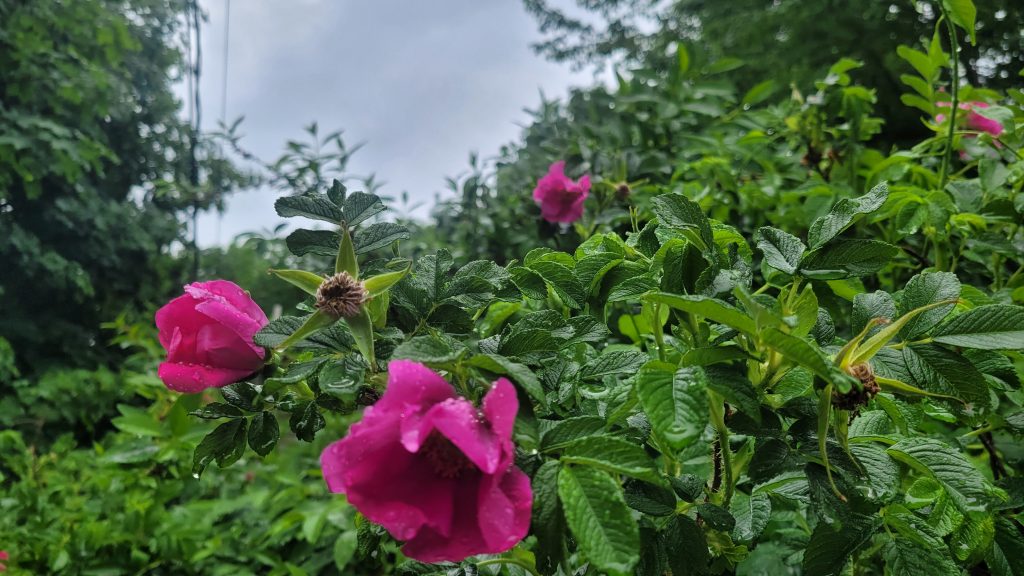
Rugosa Rose just after it has Rained Photograph by Sharon Cyboron Leaman
A waft of rose scent filled my nose as I passed my rugosa rose to get into my car. What began nearly ten years ago as a small bush now towered above my head, weaving itself through forsythia branches and tangling with wild roses along the edge of the yard. In late spring and early summer, the entire corner becomes a wall of fragrance.
I had chosen this rose for practical reasons at first. Rugosa roses are known for their large rose hips, and I was fascinated by the old herbal books that spoke of roses not only as flowers of beauty, but as medicine and food. This was the medieval rose of herbals and monastery gardens, simple five petaled blossoms followed by brilliant red hips rich in vitamin C.
There are countless varieties of roses in the world. Some are bred for multiple layers of petals and dramatic colors. Others are nearly scentless despite their beauty. But the old roses seem to hold onto something more ancient. Their fragrance lingers in the air. Their hips swell in autumn. Their petals can still be used in syrups, teas, jams, and desserts the way they were centuries ago.
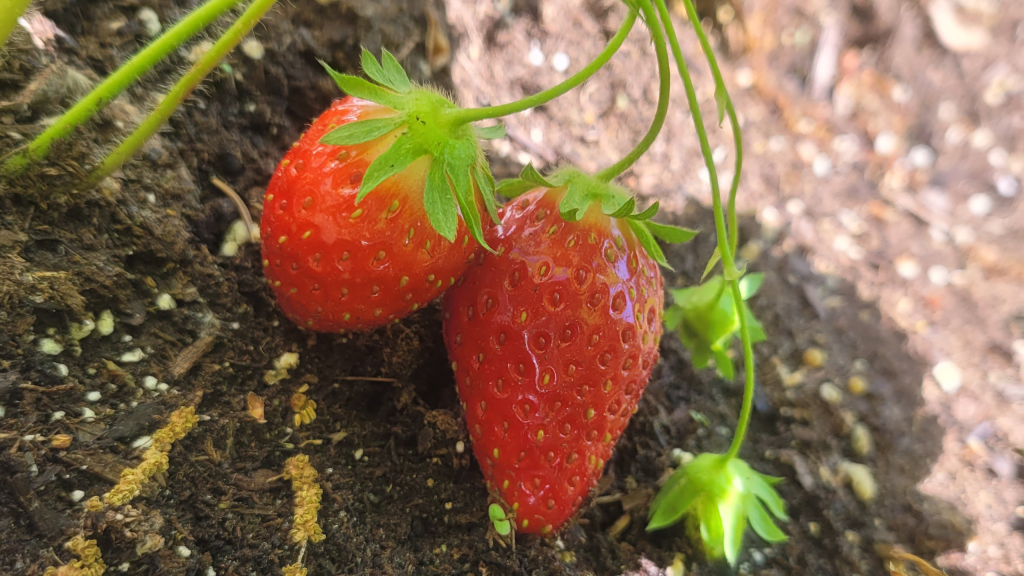
What many people do not realize is just how large the rose family truly is. Roses are related to some of the most familiar foods in our kitchens and gardens. Apples, pears, cherries, peaches, plums, strawberries, raspberries, and blackberries all belong to the Rosaceae family. Even almonds are distant relatives.
Once you know this, the connection begins to make sense. The five petaled-flowers of wild roses resemble strawberry blossoms in spring. Rose hips carry the same tart brightness found in many orchard fruits. There is something comforting about realizing that the scent drifting from an old rose bush is connected, however distantly, to apple pies cooling on windowsills and bowls of summer berries gathered from the garden.
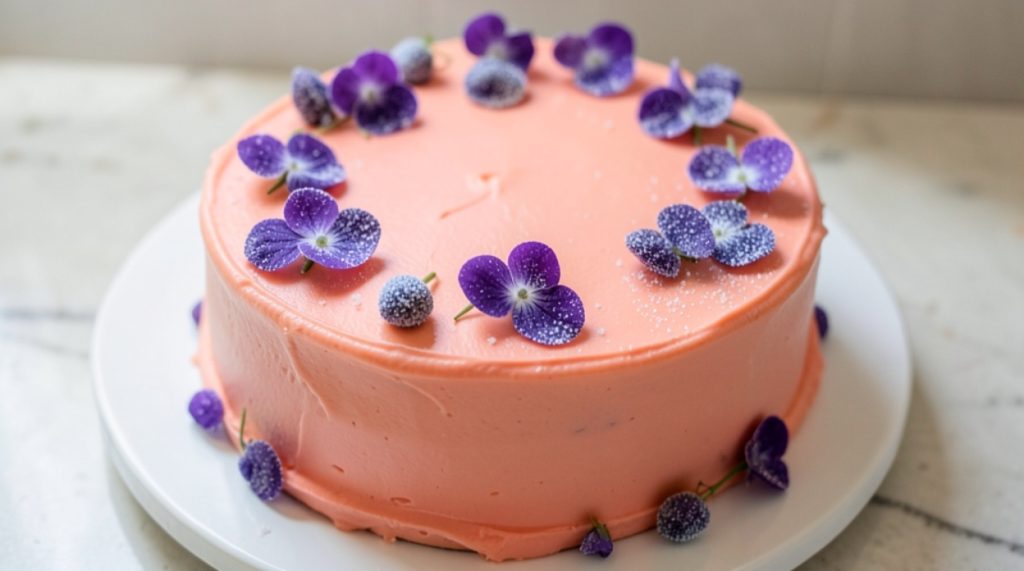
My first experiments with rose hips were not exactly traditional. One year I made a rose hip sauce for salmon, tart and slightly sweet, with a flavor somewhere between cranberry and apple. Another time, I made rose hip frosting for a birthday cake covered in candied violets. My mother was skeptical about eating flowers on principle, but the cake disappeared quickly enough. It felt less like baking and more like an experiment in what is possible.
Around the world, roses appear in culinary traditions in ways many people never expect. Rosewater is added to pastries, syrups, puddings, and sweets throughout the Middle East and India, giving desserts a delicate floral flavor. Turkish delight carries the unmistakable taste of rose. Persian desserts often combine rose with pistachio and saffron. In parts of Europe, rose hips become jams, syrups, soups, and candies. Even a simple tea made from dried petals or hips carries something comforting and nostalgic.
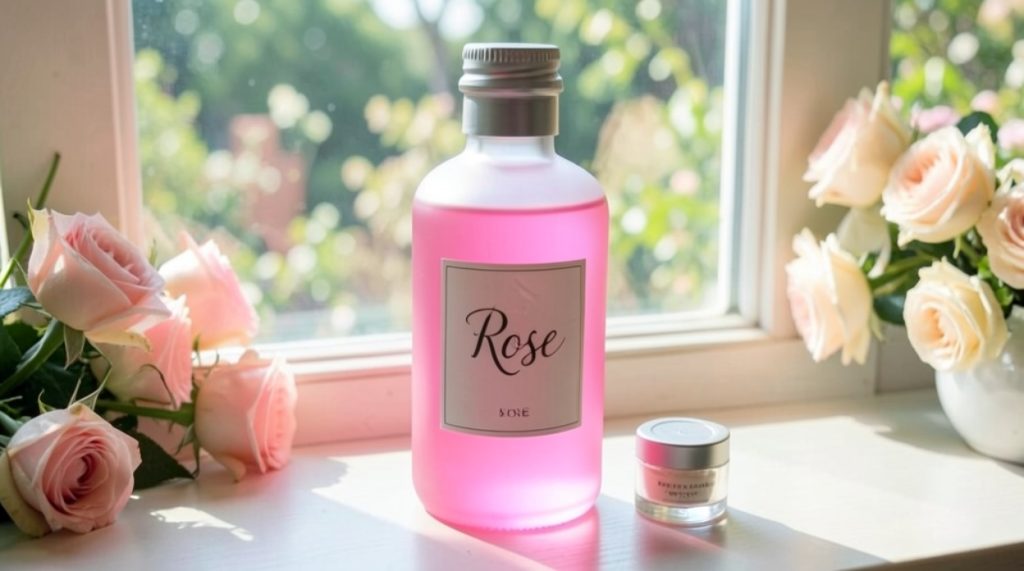
A rose-infused bottle and small salve resting in a sunny window with garden roses nearby, part of the plant’s long tradition in skincare and herbal preparations.
Beyond the kitchen, roses have long been treasured for skincare. Rose
oil and rosewater appear in creams, balms, soaps, and facial preparations across cultures. The petals contain compounds valued for soothing and hydrating the skin, and the gentle scent alone can transform an ordinary routine into something ritualistic.
Roses also appear in traditional Chinese medicine, where they are considered gently warming herbs associated with movement and circulation. Rose tea and petals have traditionally been used to help ease emotional tension, support digestion, and lift the spirit. It is a warming quality, though not an aggressive heat like ginger or cinnamon, more like a gentle encouragement of flow and balance.
Perhaps that is part of why the scent of roses feels both calming and alive at the same time. The smell of rose has long been associated with easing stress, elevating mood, and encouraging restful sleep. Walking past my rose bush each morning is one of the small markers of spring in my day. The fragrance is strongest in this season, arriving before I even notice the flowers themselves. My husband doesn’t always smell the same roses I do, different varieties seem to register differently for each of us, but for me, it is a quiet reminder that the garden has shifted again with the weather.
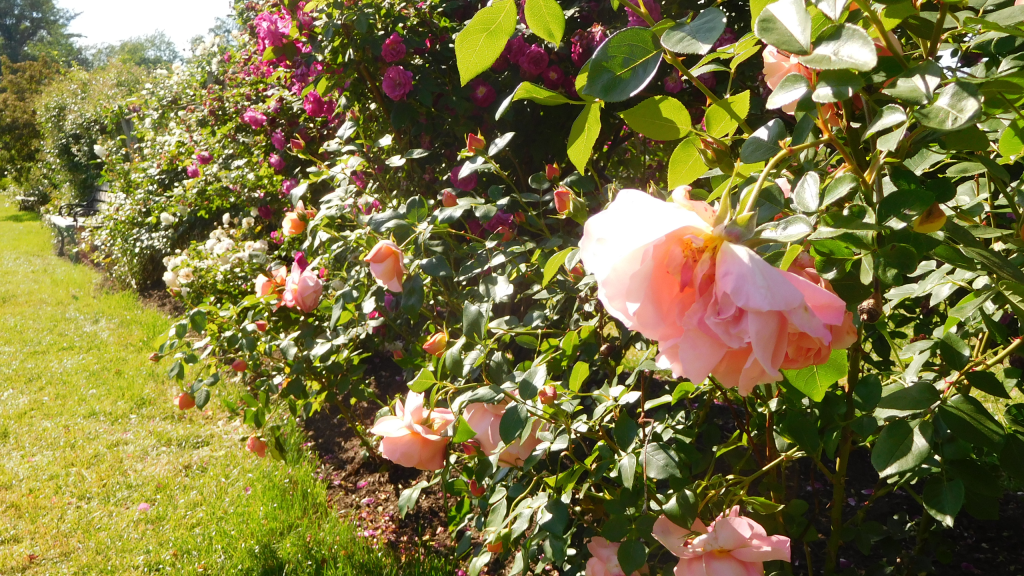
A rugosa rose bush reaching into the open sky, one of the hardy varieties that produces the rose hips used in cooking, teas, and traditional remedies. Photograph by Sharon Cyboron Leaman
What I once planted for its usefulness became something larger over the past decade. The rugosa rose now stands half wild at the edge of the yard, mingling freely with other plants and refusing neat boundaries. Birds hide in its branches. Bees disappear into its blossoms. In autumn, the hips glow red against fading leaves.
And every time I pass it, even on hurried mornings with keys in hand and too much on my mind, the scent stops me for just a moment. Not enough to change the day entirely, but enough to remind me that some plants offer more than beauty. They invite memory, nourishment, fragrance, and a small sense of wonder into ordinary life.