
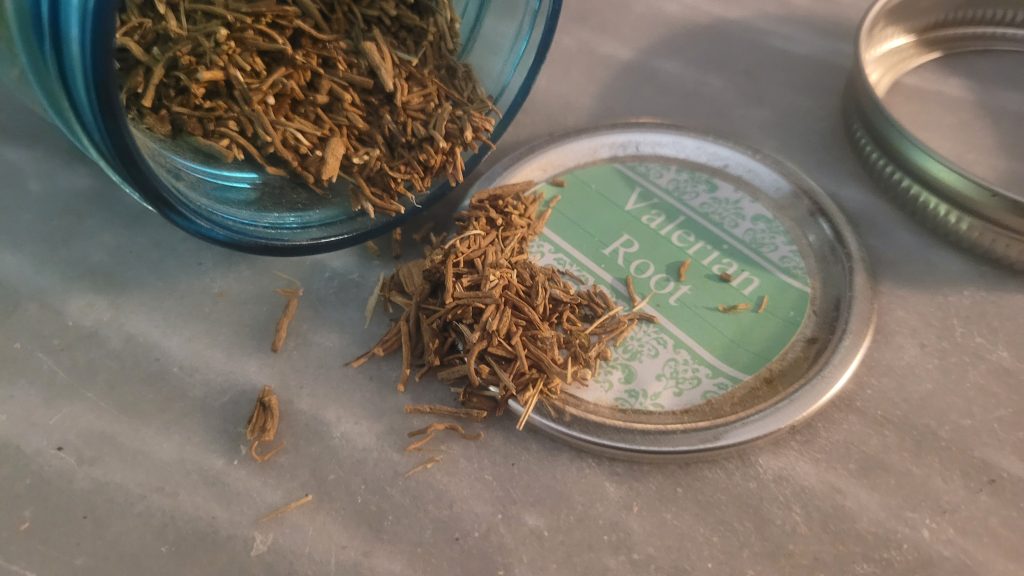
It was gross, but it helped my headache.
The first time I tried valerian root, I almost didn’t go back for a second sip. The smell hit first, earthy, heavy, almost like something pulled from deep, damp soil. The taste followed right behind it. If I’m being honest, “graveyard dust” felt like the most accurate description at the time.
But it worked.
That first cup eased my headache in a way I didn’t expect. Not instantly or dramatically, but steadily and quietly. Enough that I noticed. Enough that I tried it again.
And something interesting happened over time.
The more I used valerian root, the more my perception of it changed. That harsh, off-putting smell softened. The taste shifted. What once felt unpleasant gradually became familiar, almost comforting. I don’t remember when it crossed the line but it became something I actually looked forward to. What started as “graveyard dust” turned into something closer to sweet nectar.
Now, when I feel a headache coming on, I don’t even have to drink it right away. Just smelling the herb seems to trigger something in my body, a subtle sense of relief, like it already knows what’s coming. My body remembers.
It’s not just humans who respond to the smell. Cats are known to be strongly drawn to valerian root, sometimes rolling in it or becoming almost playful around it.
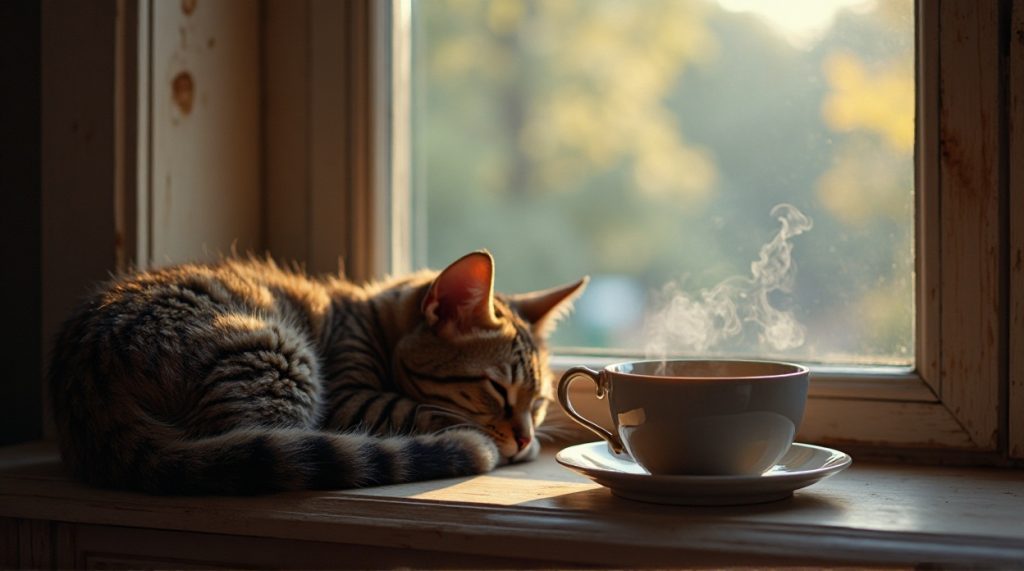
Valerian root has a long history of use, especially when it comes to sleep. It’s often described as a natural sleep aid, but that description can be misleading. It doesn’t knock you out. It doesn’t override your system or force sleep to happen. Instead, it works more gently than that.
Valerian is what herbalists call a nervine, an herb that supports the nervous system. It helps slow the heart rate, relax muscles, and ease the kind of internal tension that keeps the body alert when it’s trying to rest. Rather than sedating you, it prepares you. It creates the conditions where sleep can happen naturally.
That difference matters.
Because of this, I’ve taken valerian during the day and stayed fully awake. There’s no heavy, drug-like feeling. No sudden crash. Just a noticeable softening, like the volume of everything has been turned down slightly.
For me, it started with headaches. That first experience is what kept me coming back. Over time, I began to notice how it worked beyond that. It seemed to settle the kind of tension you don’t always recognize you’re carrying until it’s gone. Not in a dramatic way, but in a quiet, steady shift.
Although I haven’t personally experienced this, I have heard from others that valerian root can lead to vivid dreams. It doesn’t seem to happen for everyone, but it’s one of those effects that comes up often enough to be worth mentioning. Like many herbs, the way it shows up in the body can vary from person to person.
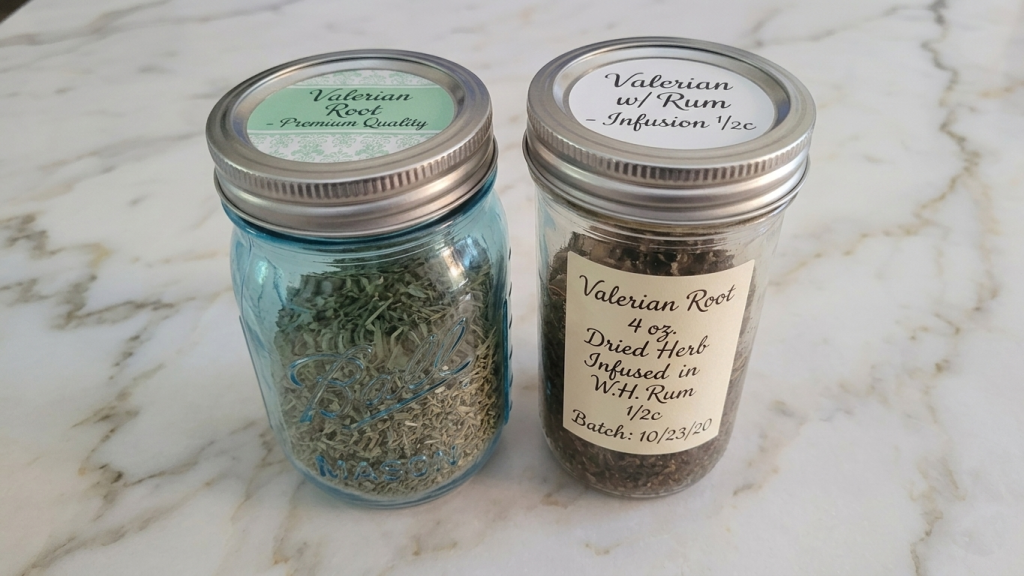
For years, I took valerian root as a tea. More recently, I’ve learned that the compounds in valerian root are more accessible in a tincture. In my experience, that does improve the effects somewhat, making it feel a bit stronger or more noticeable. That said, both forms are useful, and I still see value in each depending on what I need.
Still, both forms have their place. The tea works more gradually and still ends up in my hot chocolate. The tincture is more direct, something I reach for when I want the effects to come on a bit faster.
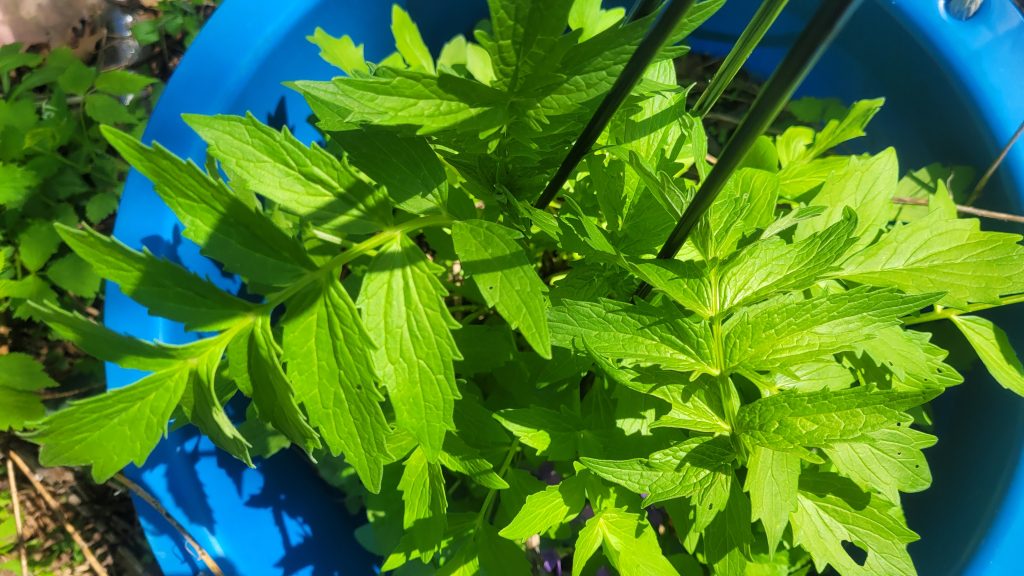
The most unexpected part of my experience with valerian root isn’t just what it does, but how my relationship with it has changed. That initial resistance, the smell, the taste, was real. But over time, my body seemed to recognize it as something helpful, something supportive.
And that recognition changed everything.
Now, valerian root isn’t just something I take. It’s something my body understands. The smell alone carries meaning. The response begins before the first sip.
Sometimes the things that help us the most don’t feel right at first. Sometimes they challenge our senses before they support our systems.
And sometimes, if we stay with them long enough, they transform, not just in how they work, but in how we experience them.